You've probably heard that the right shampoo or a costly serum can save your hair. But what if the most powerful tool against hair loss was already sitting on your plate? In 2026, science increasingly confirms that diet to prevent hair loss is one of the most underestimated yet evidence-backed strategies available and that some popular supplements may actually be making things worse. This guide cuts through the noise to give you actionable, expert-backed advice.
Can What You Eat Really Affect Your Hair?
The short answer is: absolutely. Hair follicles are among the most metabolically active structures in the body, which makes them highly sensitive to nutritional fluctuations. When your body faces a caloric or micronutrient deficit, it prioritises vital organs and hair growth is deprioritised almost immediately. The result? Increased shedding, slower regrowth, and visibly thinner strands.
Research published in Dermatology Practical & Conceptual confirms that nutritional deficiency hair loss is both common and often reversible when the underlying dietary gaps are addressed. The key is knowing which nutrients matter most and which supplement habits could be actively working against you.
The 6 Key Nutrients Your Hair Follicles Need
Before reaching for a supplement, understand the building blocks your follicles actually rely on every day.
1. Iron
Iron deficiency is one of the most common and reversible nutritional causes of hair loss, especially in women of childbearing age. Low ferritin (stored iron) levels push follicles prematurely into the shedding phase, a condition known as telogen effluvium. If you suspect a deficiency, a simple blood test can confirm it before you supplement.
2. Zinc
Zinc plays a critical role in the hair growth cycle but here's the catch: both deficiency and excess zinc intake can trigger telogen effluvium. This makes self-medicating with high-dose zinc supplements genuinely risky. Food sources are always the safer route.
3. Biotin (Vitamin B7)
Perhaps the most over-marketed hair nutrient, biotin is genuinely useful but only if you're actually deficient, which is rare in healthy adults eating a balanced diet. Most high-dose biotin supplements sold as "hair growth miracles" have little proven effect unless a true deficiency exists. Save your money unless a doctor confirms you need it.
4. Vitamin D
Vitamin D receptors are present in hair follicles, and multiple studies associate low vitamin D levels with alopecia areata and accelerated hair thinning. Given that vitamin D deficiency is widespread especially in northern climates this is one supplement that may be genuinely warranted, ideally after a blood test.
5. Protein
Protein (keratin) makes up roughly 90% of the hair shaft. A low-protein diet directly impairs follicle cycling, and crash diets or restrictive eating patterns are a well-documented trigger of sudden hair shedding. Aim for at least 1.2–1.6 g of protein per kilogram of body weight daily.
6. Omega-3 Fatty Acids
Omega-3s support scalp circulation, reduce inflammation around follicles, and have been linked to improved hair density in clinical trials. They're best obtained through food and fatty fish is your most potent source.
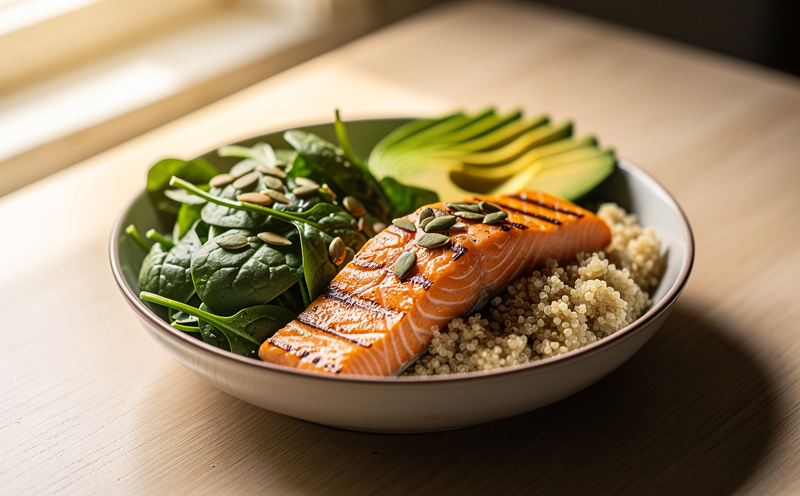
Best Foods for Hair Growth to Add to Your Plate in 2026
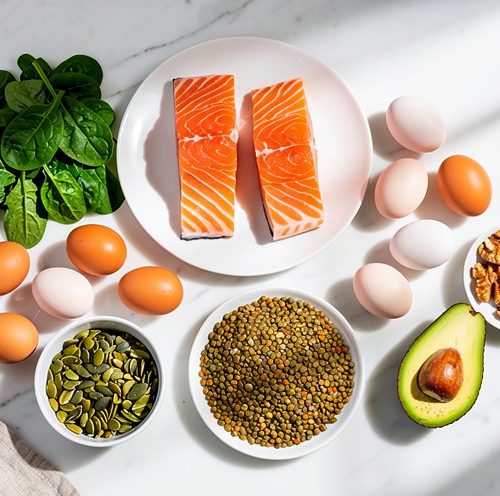
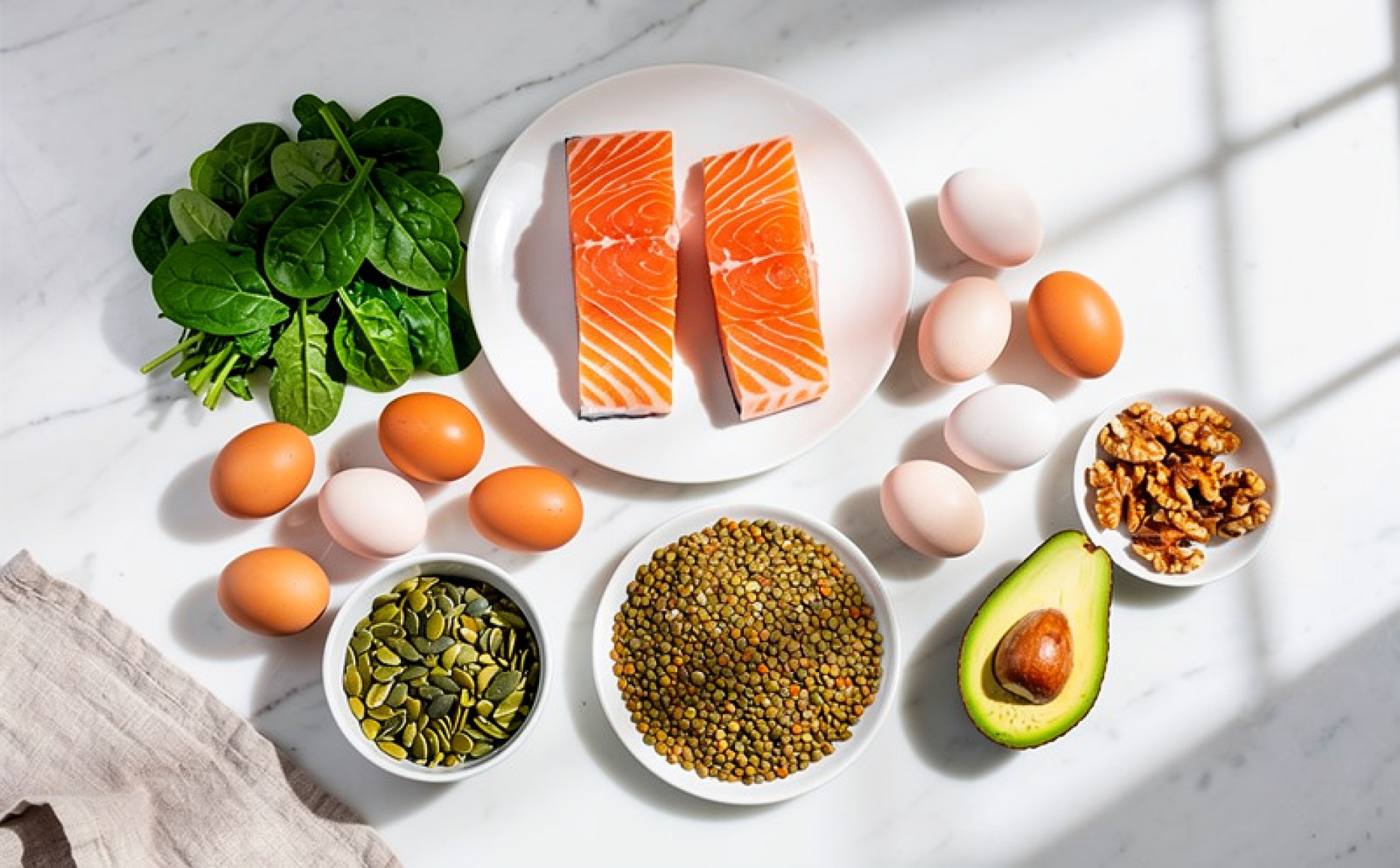
Understanding nutrients is one thing knowing which foods deliver them efficiently is another. Here are the top best foods for hair growth backed by current evidence:
- Fatty fish (salmon, mackerel, sardines) – rich in omega-3s, protein, and vitamin D in one hit
- Eggs – an outstanding source of biotin, protein, and zinc
- Spinach & dark leafy greens – packed with iron, folate, and vitamins A and C
- Pumpkin seeds – one of the best plant-based sources of zinc
- Lentils & legumes – provide iron, zinc, biotin, and protein simultaneously
- Walnuts & almonds – deliver omega-3s, vitamin E (in safe food-form doses), and selenium
- Sweet potatoes – a great source of beta-carotene (provitamin A), which supports scalp sebum production
- Greek yoghurt – high-protein, contains B5 (pantothenic acid) linked to hair follicle health
- Oysters – gram for gram, one of the richest dietary sources of zinc available
💡 Food-first principle: Before supplementing, try to obtain these nutrients through whole foods. The bioavailability is often superior, and you avoid the overdose risks that come with concentrated supplements.
The Dangerous Over-Supplementation Trap
Here's the counter-intuitive truth that most "hair health" marketing won't tell you: more is not better, and in some cases it's actively harmful. Clinical evidence has directly linked over-supplementation of three specific nutrients to increased hair shedding:
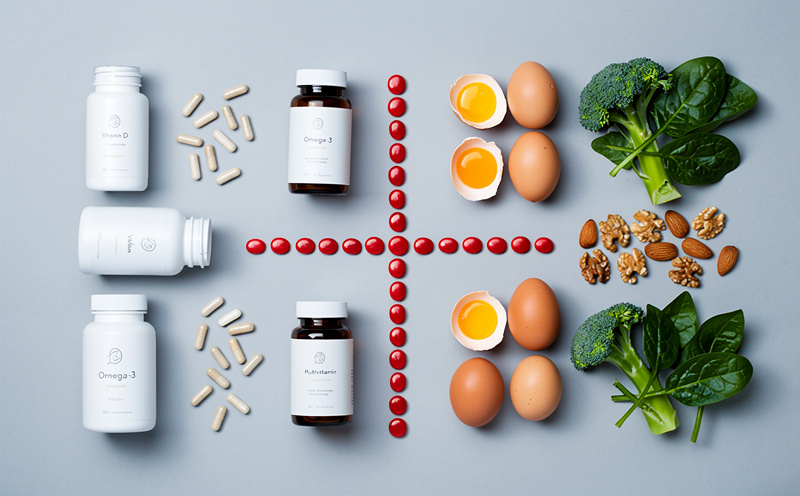
Selenium: A Fine Line Between Benefit and Toxicity
Selenium is essential for hair follicle cycling in trace amounts but selenium toxicity (selenosis) is a documented cause of diffuse hair loss. Many "premium" hair supplements contain selenium doses that, combined with dietary intake, can push you into the toxic range without you realising it.
Vitamin A: The Supplement That Speeds Up Shedding
Vitamin A is critical for cell growth, but high-dose supplementation often found in generic multivitamins and dedicated hair formulas has been clinically linked to increased hair shedding. Ironically, it's one of the most common ingredients in products marketed for hair growth. Stick to food-based sources like sweet potatoes and carrots, where conversion is naturally self-limiting.
Vitamin E: Antioxidant in Food, Risk in High Doses
While Vitamin E has antioxidant properties beneficial for scalp health in food form, high-dose Vitamin E supplements have been associated with hair loss in clinical observations. Again, food sources (nuts, seeds) provide safe, effective amounts without risk.
💡 Key takeaway: If you want to supplement, opt for a well-formulated general multivitamin over dedicated "hair growth" products. Emerging evidence actually suggests that broad-spectrum multivitamins outperform targeted hair supplements for most people largely because they avoid dangerous over-concentration of any single nutrient.
A Practical Anti-Hair-Loss Weekly Meal Plan
Translating nutrient goals into real meals doesn't have to be complicated. Here's a simple weekly structure to cover your key bases:
- Monday: Grilled salmon with spinach salad & pumpkin seeds / lentil soup
- Tuesday: Scrambled eggs on wholegrain toast / Greek yoghurt with walnuts
- Wednesday: Chicken stir-fry with sweet potato & dark greens / sardines on rye
- Thursday: Lentil & vegetable curry / mackerel fillet with roasted vegetables
- Friday: Oysters or mussels (zinc boost) / egg and avocado bowl
- Weekend: Slow-cooked lean red meat (iron) / smoothie with spinach, almond butter & Greek yoghurt
The goal is diversity and consistency, not perfection. Even introducing two or three of these meals per week represents a meaningful improvement over a nutrient-poor diet.
Diet Alone vs. Medical Treatment: Knowing When to Go Further
A nutrient-optimised diet is a powerful tool but it has limits. It works best for hair loss driven by nutritional deficiency, stress-related shedding (telogen effluvium), or early-stage thinning. It will not, however, reverse genetically driven androgenetic alopecia (male or female pattern baldness) on its own.
If your hair loss continues despite dietary improvements over three to six months, or if shedding is severe and rapid, it's time to seek a medical evaluation. A dermatologist can identify whether your hair loss has a nutritional, hormonal, autoimmune, or genetic cause and recommend targeted treatments accordingly.
For those with more advanced hair loss, medical and surgical options such as hair transplantation remain the gold standard for permanent results. Diet becomes a complementary tool that protects your investment not the primary solution.
Anti-Hair Loss Diet 2026: Your Questions Answered
FAQ
Yes. Deficiencies in iron, zinc, protein, biotin, and vitamin D are all clinically linked to increased hair shedding. Crash diets and very low-calorie eating plans are a particularly well-documented trigger of telogen effluvium a form of diffuse shedding. The good news is that nutritional hair loss is often reversible once the dietary gap is corrected.
Only if you have a confirmed biotin deficiency, which is actually rare in healthy adults who eat a varied diet. Most high-dose biotin supplements marketed for hair growth have little proven benefit in people with normal biotin levels. If in doubt, ask your doctor to test your levels before spending money on supplements.
Iron deficiency is by far the most common nutritional cause of hair loss in women, particularly those of childbearing age due to monthly blood loss. Low ferritin the body's iron storage protein can trigger significant shedding even before clinical anaemia develops. A simple blood test measuring serum ferritin can identify this quickly.
Yes this is one of the most important and underreported facts in hair health. Over-supplementation of selenium, Vitamin A, and Vitamin E has been clinically linked to increased hair shedding. Many dedicated "hair growth" supplements contain these nutrients at doses that can tip into problematic territory, especially when combined with dietary intake. Always check doses carefully and prefer a general multivitamin over concentrated hair formulas unless medically advised otherwise.
Hair growth is a slow process follicles cycle over months, not weeks. Most people who address a genuine nutritional deficiency begin to notice reduced shedding within 2–3 months, with visible improvement in density taking 4–6 months or longer. Consistency is key: short-term dietary changes rarely produce lasting results. If you see no improvement after six months of sustained dietary optimisation, consult a dermatologist to rule out other causes.