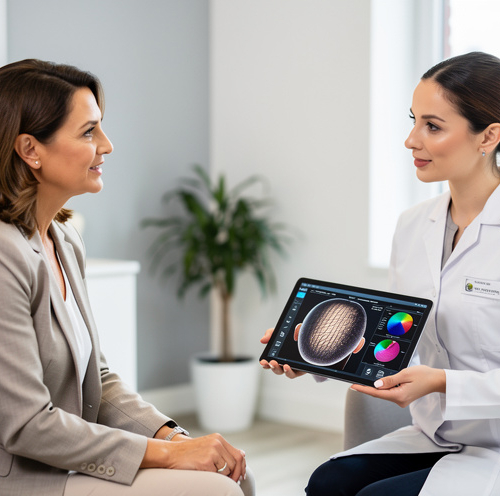
The landscape of hair loss treatment is undergoing a revolutionary transformation in 2025. While traditional hair transplants remain popular, a new wave of regenerative medicine approaches including PRP therapy, stem cell treatments, and exosome injections are offering promising alternatives for those seeking less invasive solutions. In this comprehensive guide, we'll explore these cutting-edge treatments and how they compare to conventional hair transplantation.
What Are Regenerative Hair Loss Treatments?
Unlike traditional hair transplants that redistribute existing hair follicles from one area to another, regenerative treatments aim to stimulate your scalp's natural healing and hair growth mechanisms. These therapies focus on revitalizing dormant follicles, improving scalp health, and creating an optimal environment for hair regrowth.
The three main categories of regenerative hair loss treatments gaining traction in 2025 include:
- PRP (Platelet-Rich Plasma) therapy – using your own blood components to stimulate growth
- Stem cell therapy – harnessing regenerative cells to awaken follicles
- Exosome treatments – employing cellular messengers to trigger hair restoration
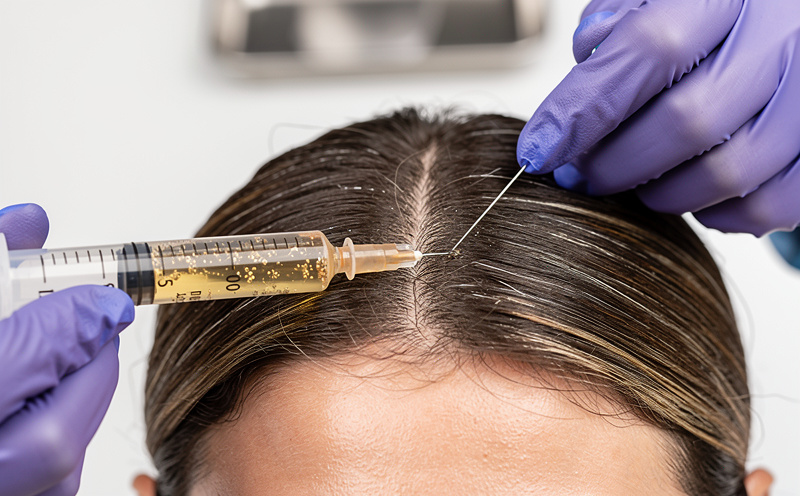
PRP Hair Treatment: The Gold Standard of Non-Surgical Solutions
Platelet-Rich Plasma therapy has emerged as one of the most popular non-surgical hair loss treatments in recent years. The procedure involves drawing a small amount of your blood, processing it to concentrate the platelets, and then injecting this enriched plasma directly into your scalp.
How PRP Works for Hair Restoration
Platelets contain growth factors that can:
- Stimulate dormant hair follicles to enter the active growth phase
- Increase blood supply to the scalp, improving nutrient delivery
- Strengthen existing hair shafts and reduce breakage
- Extend the growth phase of the hair cycle
What to Expect: Treatment Protocol and Results
A typical PRP hair treatment protocol involves:
- Initial phase: 3-4 sessions spaced 4-6 weeks apart
- Maintenance: Sessions every 4-6 months to sustain results
- Visible improvements: Usually apparent after 3-6 months
- Session duration: 30-60 minutes per treatment
💡 Important note: PRP therapy works best for individuals with thinning hair or early-stage hair loss, rather than complete baldness. It's often used as a complementary treatment following hair transplantation to enhance results and accelerate healing.
Stem Cell Therapy: The Future of Hair Regeneration
Stem cell therapy represents one of the most exciting frontiers in hair loss treatment. This approach uses the body's master cells capable of developing into various cell types to regenerate damaged or dormant hair follicles.
Two Main Approaches to Stem Cell Hair Therapy
1. Adipose-derived stem cells: Extracted from fat tissue (usually abdomen or thighs), processed, and injected into the scalp.
2. Follicle stem cell activation: Stimulating stem cells already present in hair follicles to promote regeneration.
Advantages of Stem Cell Hair Treatment
- Natural regeneration: Uses your body's own cells, minimizing rejection risk
- Holistic improvement: Enhances overall scalp health, not just hair count
- Longer-lasting effects: May provide more sustained results than PRP
- Suitable for various types: Effective for both male and female pattern baldness
However, it's important to note that stem cell therapy for hair loss is still evolving. While early results are promising, long-term efficacy studies are ongoing, and the treatment is typically more expensive than PRP therapy.
Exosome Therapy: The Newest Frontier in Hair Restoration
Exosomes are tiny vesicles released by cells that contain growth factors, proteins, and genetic material. In hair restoration, exosome therapy delivers these powerful cellular messengers directly to the scalp, where they communicate with follicular cells to trigger regeneration.
Why Exosomes Are Gaining Attention in 2025
Exosome treatments offer several compelling advantages:
- No blood draw required: Unlike PRP, exosomes are lab-derived and ready to use
- Higher concentration of growth factors: Potentially more potent than PRP
- Faster recovery: Minimal downtime and side effects
- Standardized potency: More consistent results between treatments
Early clinical data suggests that exosome therapy may produce faster visible results than traditional PRP, with some patients noticing improvements within 6-8 weeks of the initial treatment.
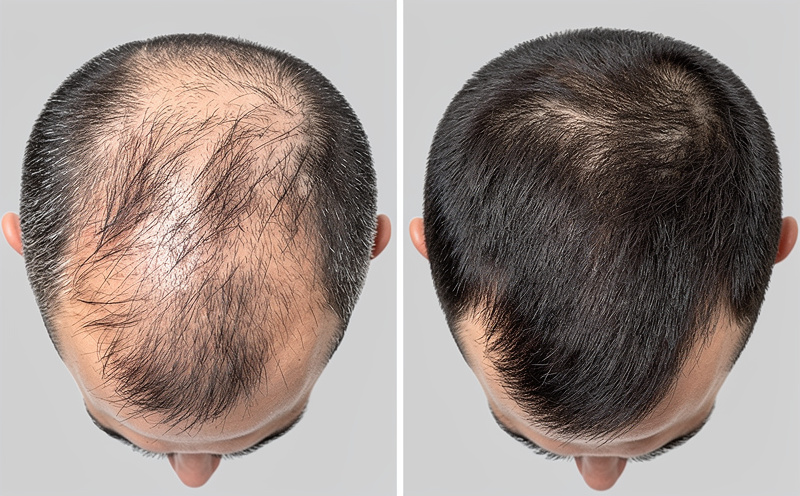
Regenerative Treatments vs. Hair Transplants: A Detailed Comparison
Understanding how these regenerative therapies compare to traditional hair transplantation is crucial for making an informed decision:
| Factor | Regenerative Treatments | Hair Transplants |
|---|---|---|
| Invasiveness | Minimally invasive injections | Surgical procedure |
| Recovery time | 24-48 hours | 7-14 days |
| Visible results | 3-6 months | 6-12 months |
| Best for | Early-stage loss, thinning | Advanced baldness |
| Maintenance | Regular sessions required | One-time (usually) |
| Cost range | €500-€3,000/year | €1,800-€10,000 |
Who Are the Ideal Candidates for Regenerative Hair Treatments?
Regenerative therapies work best for specific patient profiles:
Excellent Candidates
- Individuals with early to moderate hair thinning
- Those seeking to delay or avoid surgery
- Patients looking to enhance transplant results
- Women with diffuse hair loss patterns
- People with good overall scalp health
Less Suitable Candidates
- Those with complete baldness (no follicles to stimulate)
- Individuals expecting immediate, dramatic results
- Patients unwilling to commit to multiple sessions
- Those with certain autoimmune conditions
💡 Many hair restoration specialists now recommend a combination approach using regenerative treatments alongside or after hair transplantation for optimal, long-lasting results.
What to Expect: Costs, Sessions, and Realistic Outcomes
Treatment Costs in 2025
Pricing for regenerative hair treatments varies by location, clinic reputation, and specific protocol:
- PRP therapy: €300-€800 per session (typically 3-4 initial sessions)
- Stem cell therapy: €2,000-€5,000 for initial treatment
- Exosome therapy: €800-€1,500 per session
Setting Realistic Expectations
While regenerative treatments offer exciting possibilities, it's essential to maintain realistic expectations:
- Results vary significantly between individuals
- These treatments cannot regrow hair on completely bald areas
- Maintenance sessions are typically required to sustain results
- Combining treatments with lifestyle changes enhances outcomes
- Professional medical guidance is essential for optimal results
Safety Considerations and Potential Side Effects
One of the major advantages of regenerative hair treatments is their excellent safety profile. Since most use your own biological material, allergic reactions are rare.
Possible Side Effects (Usually Mild and Temporary)
- Mild swelling or redness at injection sites
- Temporary scalp tenderness
- Minor bruising
- Headache (rare)
Important: Always ensure your treatment is performed by a qualified medical professional in a certified clinic. Improper technique or non-sterile conditions can lead to infection or unsatisfactory results.
The Role of Imphair in Guiding Your Hair Restoration Journey
Whether you're considering regenerative treatments, traditional hair transplantation, or a combination approach, navigating the options can feel overwhelming. That's where Imphair comes in.
We provide:
- Expert guidance on the most suitable treatment for your specific situation
- Access to certified clinics offering both regenerative and surgical solutions
- Transparent pricing with no hidden fees or commissions
- Personalized support throughout your entire treatment journey
- Follow-up care to ensure optimal, long-lasting results
Our platform helps you compare treatment options, understand realistic outcomes, and connect with trusted specialists who can deliver the results you're seeking.
Conclusion: A New Era of Hair Loss Treatment
The emergence of regenerative hair loss treatments in 2025 represents a paradigm shift in how we approach hair restoration. PRP therapy, stem cell treatments, and exosome injections offer promising alternatives for those seeking less invasive options, particularly in the early stages of hair loss.
However, these treatments aren't replacements for hair transplants in every situation. For advanced baldness, surgical options remain the gold standard. The best approach often combines both regenerative and surgical techniques, tailored to your unique needs, goals, and hair loss pattern.
At Imphair, we're committed to helping you navigate these exciting new options with confidence, ensuring you receive the most appropriate, effective treatment for your individual situation.
Regenerative Hair Loss Treatments in 2025: Your Questions Answered
FAQ
Most patients report minimal discomfort during PRP injections. A topical numbing cream is typically applied before treatment, and the procedure uses very fine needles. Any mild tenderness usually subsides within 24-48 hours.
Results vary by individual and treatment type, but typically last 12-24 months. Maintenance sessions every 4-6 months are recommended to sustain improvements. Unlike hair transplants, regenerative treatments require ongoing care to maintain benefits.
Not in all cases. Regenerative treatments work best for early to moderate hair thinning, while transplants remain the most effective solution for advanced baldness. Many specialists recommend combining both approaches for optimal results using regenerative treatments to enhance and maintain transplant outcomes.
The safety profile is generally excellent when performed by qualified professionals. However, regulatory approval varies by country. In the EU and UK, these treatments are available but still considered emerging therapies. Always verify that your clinic follows proper protocols and uses certified materials.
Yes, regenerative treatments are particularly popular among women with diffuse hair thinning. Female pattern hair loss often responds well to PRP and stem cell therapies, as these treatments address the underlying scalp health rather than simply redistributing hair. Many women prefer these less invasive options as a first-line treatment.